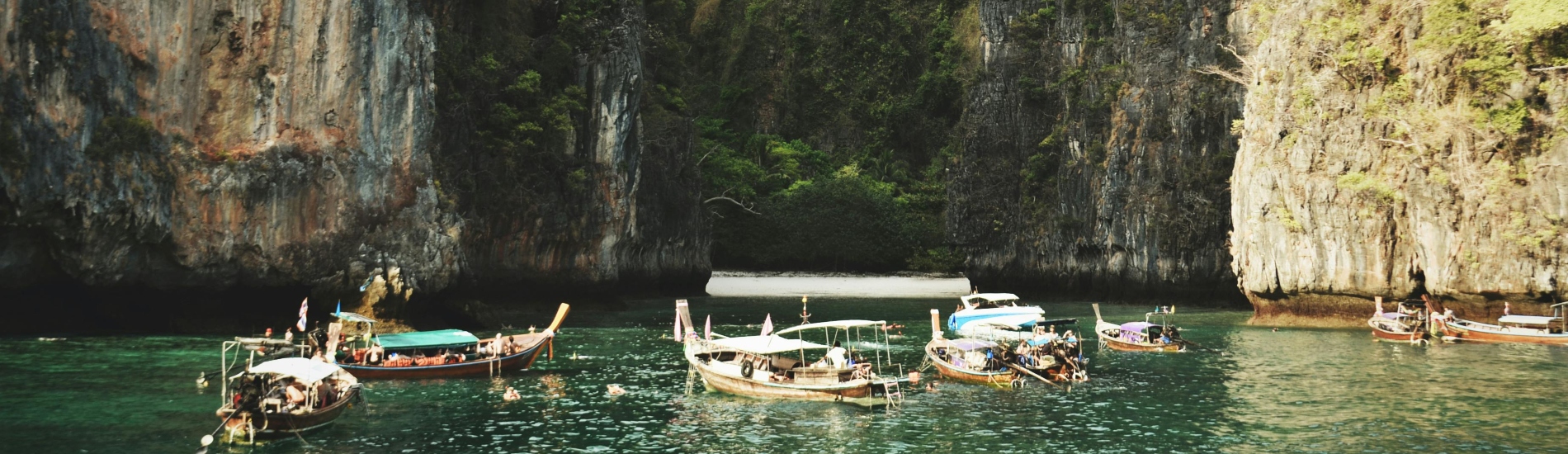
FutureWater supported national partners in Lao PDR through a combined training and coaching programme on climate risk screening, Climate Risk Assessment and WEAP-based climate impact modelling.
As part of the Climate Adaptation Investment Planning Technical Assistance in Lao PDR, FutureWater delivered a capacity building programme to strengthen the use of climate risk information and water resources modelling in adaptation planning. The program, funded by the Asian Development Bank, supported the Ministry of Agriculture and Environment and associated agencies in understanding and applying the methods used for climate risk screening, Climate Risk Assessment and WEAP-based climate impact modelling.
The first activity was a three-day climate risk screening training in Vang Vieng. The training introduced participants to the IPCC risk framework, project datasets, QGIS and Excel exercises, and the scoring and prioritization of river basins. In total, 21 participants from government departments and academic institutes joined the training, including the Department of Water Resources, Department of Meteorology and Hydrology, Department of Energy, National University of Laos and the Biotechnology and Ecology Institute. The evaluation showed strong improvements, especially in understanding the risk screening of Lao basins and in practical QGIS skills.
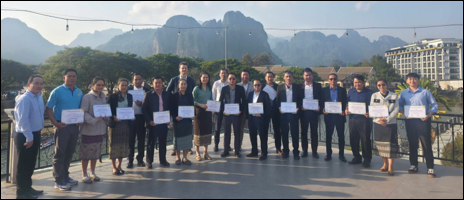
Figure 1: Training participants holding their certificates
This was followed by an extended coaching program from late January to the end of February 2026. The coaching shifted from classroom training to hands-on support with a smaller group, focusing mainly on WEAP modelling for climate impact assessment. Participants worked on data collection, model setup, scenario development and interpretation of modelling results, using real basin cases such as Nam Neun and Nam Xedon.
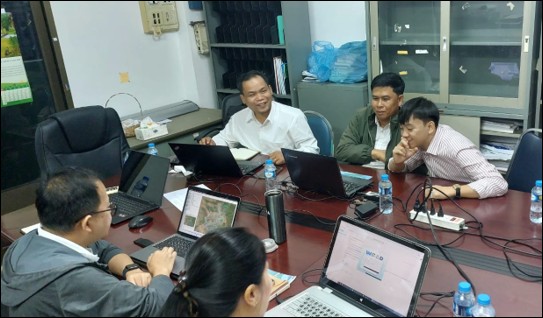
Figure 2: Working on WEAP models with the smaller coaching group.
The combined training and coaching approach was positively received and helped strengthen both technical and institutional capacity. Participants valued the learning-by-doing format, direct access to the trainer and improved collaboration between departments. The programme also contributed to the creation of an informal WEAP technical working group, supporting continued use of climate risk and water resources modelling in Lao PDR.